As the 2025 U.S. elections approach, one group is proving to be more influential than ever: Generation Z. Born between the late 1990s and early 2010s, Gen Z is the most diverse, tech-savvy, and politically engaged generation in American history. And even while many of them are still in college, their voices are echoing loudly across the political landscape.
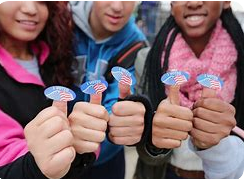
Activism starts in campus
College campuses have long been hotbeds for political activism—but Gen Z is taking it to a new level. From organizing voter registration drives to leading climate marches and social justice campaigns, students are using their campuses as launchpads for national movements. Digital platforms like Instagram, TikTok, and X (formerly Twitter) have become tools not just for self-expression but for mass mobilization.
Tech-Driven engagement
Unlike previous generations, Gen Z doesn’t wait for traditional media to shape their views. They consume information from influencers, podcasts, Reddit threads, and viral videos. This means they’re not just receiving messages—they’re creating them. Gen Z content creators are crafting political memes, breaking down policy on YouTube, and fact-checking politicians in real time—all from dorm rooms.
Voter turnout and Digital Advocacy
In the 2020 and 2022 elections, Gen Z played a crucial role in turnout, especially in key swing states. For 2025, this trend is expected to grow. Online tools have made it easier than ever for students to register, request absentee ballots, and organize their peers. Civic tech apps like Vote.org and TurboVote are designed with Gen Z in mind—mobile-first, social-shareable, and simple to use.
The issues that matter
Gen Z’s political priorities are shaping candidate platforms. Climate change, racial justice, reproductive rights, student debt, and gun reform rank high among concerns. Candidates who ignore these issues risk losing the support of a generation that expects bold action and clear stances.
Missinformation and challenges
Despite their digital fluency, Gen Z is not immune to misinformation. With so much political content circulating online, distinguishing fact from fiction is harder than ever. That’s why digital literacy and media education are becoming essential tools in Gen Z’s political arsenal.
The bottom line
Gen Z is not waiting for permission to lead—they’re already doing it. Whether through grassroots organizing, viral campaigns, or informed voting, they are redefining what civic engagement looks like in the digital age. As we move toward the 2025 elections, politicians, parties, and institutions would be wise to listen—because Gen Z isn’t just the future of democracy. They’re the present.