In today’s digital age, memes have evolved far beyond simple jokes or funny images shared among friends. They have become a powerful form of communication, influencing political opinions, social movements, and cultural trends worldwide. As bite-sized pieces of content that are easily shared and adapted, memes reflect and shape the collective consciousness of internet users. Understanding how memes function is essential to grasping their role in modern politics and society.
One of the most prominent examples of memes influencing politics is the 2016 U.S. presidential election. Memes played a crucial role in shaping voter perceptions of candidates. The “Pepe the Frog” meme, initially innocuous, was co-opted by certain online groups to symbolize alt-right ideologies and became linked to political messaging. Meanwhile, other memes were used to mock candidates or highlight controversies, spreading rapidly through social media and online forums.
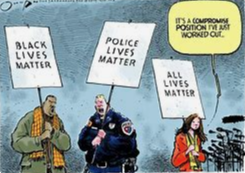
In another instance, the Black Lives Matter movement has effectively utilized memes to raise awareness and foster solidarity. Memes with powerful slogans, images of protests, and satirical takes on systemic injustice have circulated widely, helping to educate and engage a global audience. These memes distill complex social issues into relatable, shareable content that resonates emotionally.
Memes have also shaped political discourse outside the West. For example, during the Arab Spring, memes and social media posts helped activists coordinate protests and challenge authoritarian regimes. The rapid spread of information via memes contributed to political mobilization and awareness on a large scale.
However, not all memes serve positive ends. Some perpetuate misinformation, reinforce stereotypes, or deepen political polarization. The spread of fake news disguised as memes can distort public understanding and fuel divisive narratives.
Conclusion
Memes have transformed from simple internet jokes into influential cultural artifacts that shape politics and society. Through humor, satire, and rapid dissemination, they can mobilize communities, challenge authority, and influence public opinion on a global scale. While their power can be harnessed for social good, memes also carry risks of misinformation and division. As internet culture continues to evolve, memes will remain a key element in how we understand and engage with political and societal issues in the digital era.